


A dog barkuterie board is the pet-parent answer to a cheese board: a playful tray of safe dog-friendly foods for holiday parties. Guests smile. Dogs feel included. You still need a plan so “cute” does not become “vet visit.”
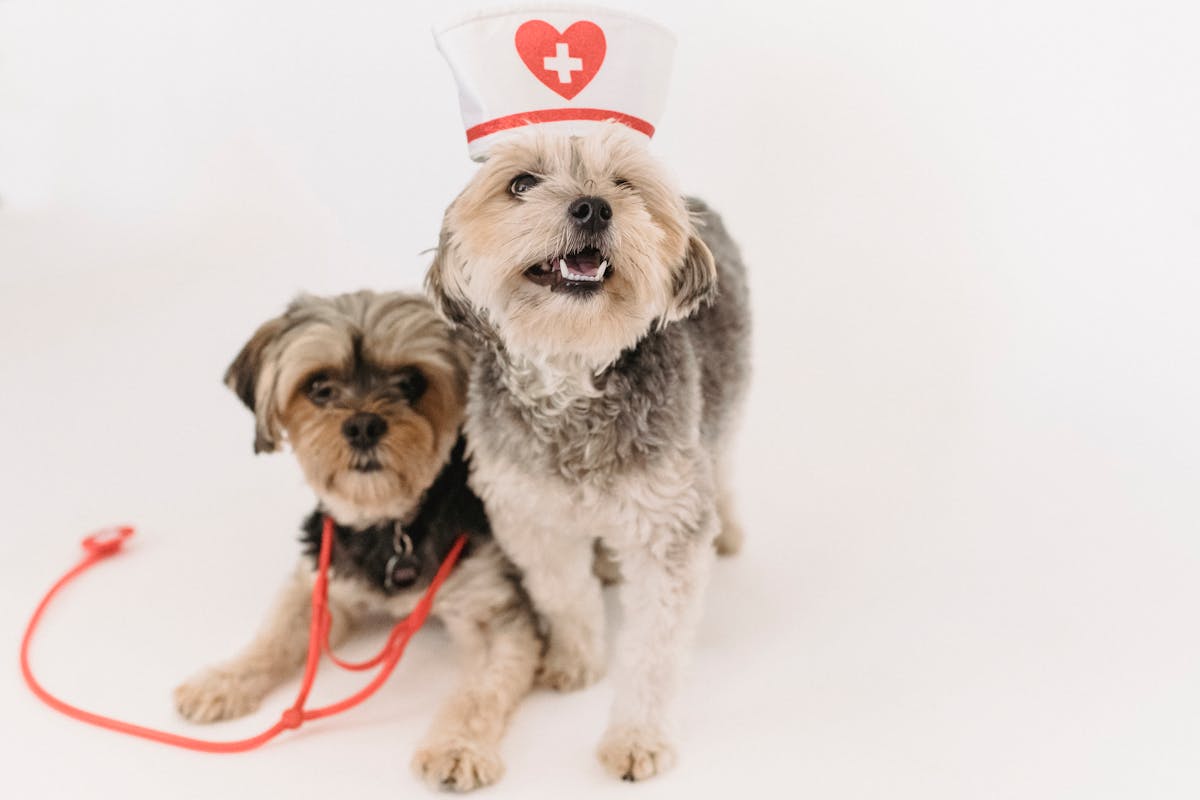
Here is a host-safe approach — what to put on the board, what to skip, how to portion, and how to keep the rest of the party calm while cameras come out.
Safe building blocks
- Plain cooked meats without onion/garlic seasoning
- Dog-safe cheeses in tiny amounts (many dogs tolerate low-fat options better)
- Crunchy veggies like carrot and green bean
- Commercial dog treats you already trust
- Fresh water bowl beside the board — always
- Optional lick mats with plain yogurt (xylitol-free) for slow eaters
Skip cooked bones, grapes, raisins, chocolate, xylitol, macadamia, alcohol, and rich fatty scraps. Stuffing and gravy often hide onion and garlic. When unsure, leave it off. Your dog does not need novelty food to feel loved — they need your attention and a safe share of the evening.

Host tips that prevent chaos
- Place the barkuterie away from the human appetizer table.
- Supervise — boards are not free-for-alls for resource guarders.
- Portion for your dog’s size; “holiday calories” add up fast.
- Give anxious dogs a quiet room option before the doorbell marathon.
- Have a towel ready; excited drool is part of the aesthetic.
- End the board when interest turns into crowding or growling.
A soft calm zone helps more than another appetizer. A pop-up play tent with a familiar pad lets your dog step out of the crowd. For kitchen boundaries while trays move, see no-drill gate ideas or pair with Thanksgiving hosting notes: Thanksgiving with dogs.
Allergy and multi-dog notes
If one dog has food allergies, make a separate labeled plate. Multi-dog homes should avoid free-for-all boards that trigger resource guarding — separate stations or timed turns keep the peace. Puppies need tinier pieces and shorter sessions.
Barkuterie is hospitality for the whole household — keep it safe, supervised, and happily optional.
Sample board for a 25-lb dog
Two tablespoon-sized piles of plain shredded chicken, a few carrot coins, three commercial training treats, a teaspoon of dog-safe cheese, and a lick mat with a thin smear of plain yogurt. That is plenty. Photograph it, then put half away — Instagram portions are not digestive portions.
For larger dogs, scale protein slightly, not freely. For tinies, think thimble amounts. Always provide a water bowl that is harder to tip than a party cup.
Photo etiquette
Do not crowd a dog with phones. Take the picture, then let the dog eat without a gallery of faces. If the dog leaves the board to seek distance, end the activity. Consent is part of hospitality.
Human board vs dog board — keep them separate
Do not place the barkuterie on the same low table as the cheese board. Cross-contamination of grapes, chocolate, and alcohol is the fastest way to ruin the joke. Use distinct plates and distinct heights. Tell kids which board is which with a literal sign if needed.

If you are serving alcohol, assign a sober adult to dog watch during peak greeting hours. Tipsy door handling and excited dogs are a bad mix.
Leftovers and the next morning
Refrigerate safe leftovers in labeled containers. Do not leave the board out overnight. Morning walks help digestion after richer-than-usual evenings. If stool changes last more than a day, call your vet — holiday richness is a common trigger, but so are stolen bones you did not see.
Making it inclusive without making it risky
Inclusive hosting means the dog is acknowledged, not that every guest becomes a feeder. Some guests will ignore the “please don’t feed” sign. Station a cheerful person near the dog for the first half hour. Humor helps: “He’s on a modeling contract — no crumbs or he breaks character.”
If a guest’s dog joins, clarify vaccine status and food rules in advance. Parallel boards on opposite sides of the room reduce conflict. If either dog stiffens, ends the board early and separate with a gate or quiet rooms. A short successful experience beats a long tense one.
Photograph the setup before dogs approach if you want content. Once eating starts, put phones down enough to supervise. Viral is not more important than a safe swallow. Afterward, wipe floors so grease does not become a sliding hazard for the next round of hugs.
Close with a normal chew or stuffed toy so the “special board” does not become the only exciting object in the house. Novelty is a seasoning, not the whole meal plan.
If your dog has a history of pancreatitis or food allergies, skip homemade boards entirely and offer a single known-safe chew in a quiet room instead. Inclusion can look like presence and calm, not a platter. Guests who love dogs will understand a one-line explanation more easily than an emergency exit to the clinic.
Made for the life you share.


